Crack open the
living world.
Biome is an environmental science platform where satellite imagery meets soil chemistry and you trace the path of a single water molecule from glacier to ocean to cloud. Built for career-switchers, biology majors, and NGO staffers who need climate fluency before their next grant cycle.
What draws you to the environment?
Choose your primary domain of curiosity.
terrestrial ecosystems have been significantly altered by human activity since 1950.
That number is still rising. But the scientists, analysts, and field researchers who understand living systems are the ones who can reverse it. The question is whether you're one of them yet.
Watch a hillside breathe back to life.
Drag the slider to advance through decades of ecological succession. This is what Biome lessons look like — satellite data, field chemistry, and living systems in motion.
Industrial logging has stripped the hillside bare. Exposed soil erodes with each rainfall, carrying nutrients into streams and raising turbidity.
Scientists who've stood
in the field.
Every instructor has primary field research experience. No armchair theorists — only people who've held the soil, measured the water, and read the atmosphere firsthand.
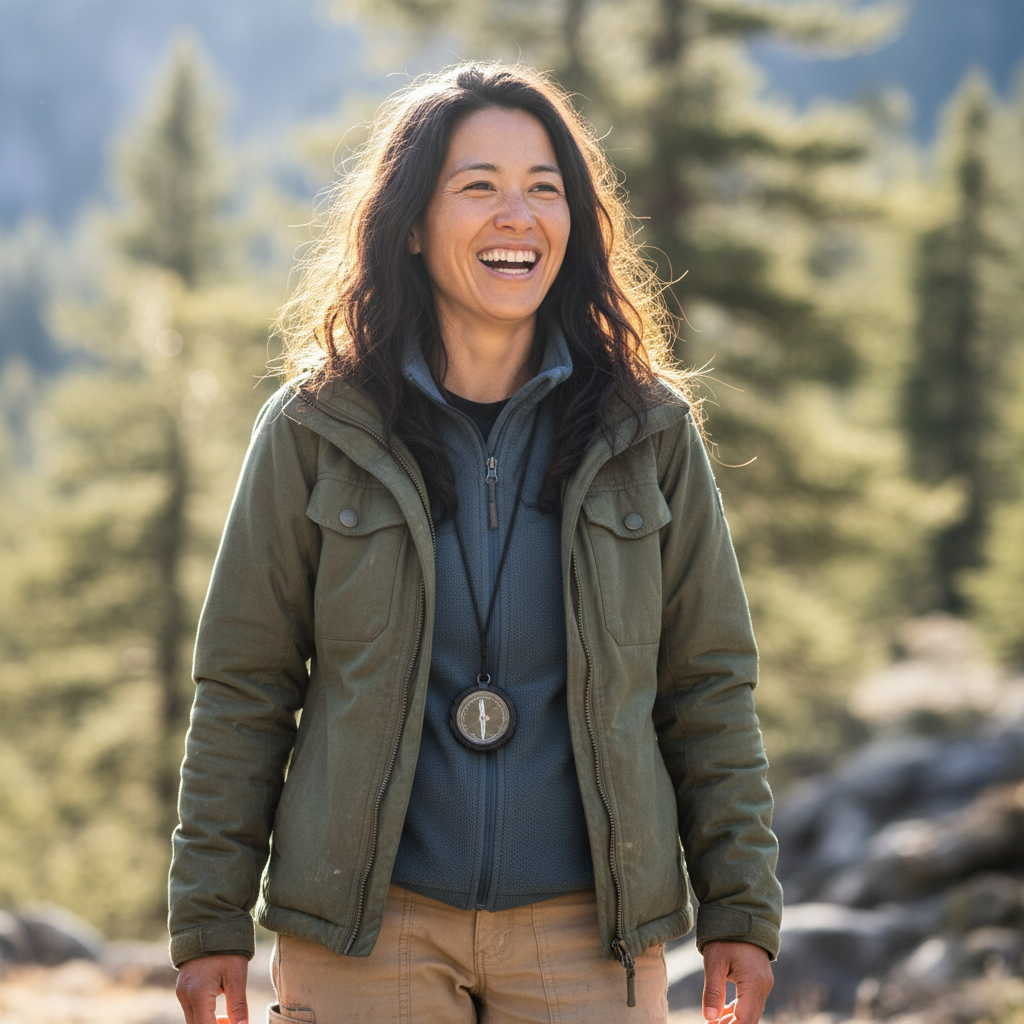
Dr. Priya Raghunathan
Glaciology & Climate Systems
"Sampled high-altitude ice cores in Patagonia for eleven seasons"
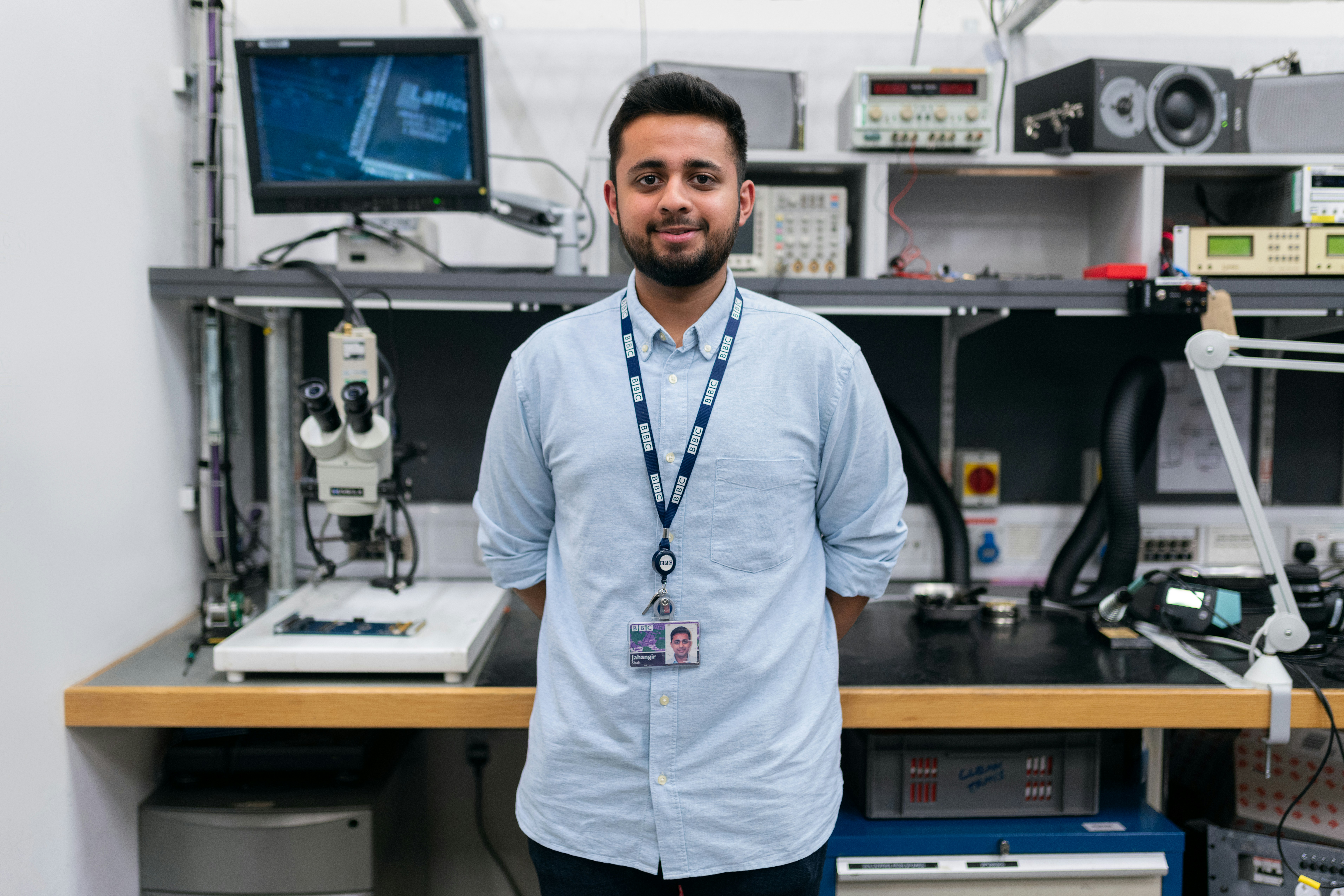
Kwame Asante
Pedology & Carbon Science
"Mapped soil carbon across 14,000 km² of the Congo Basin"
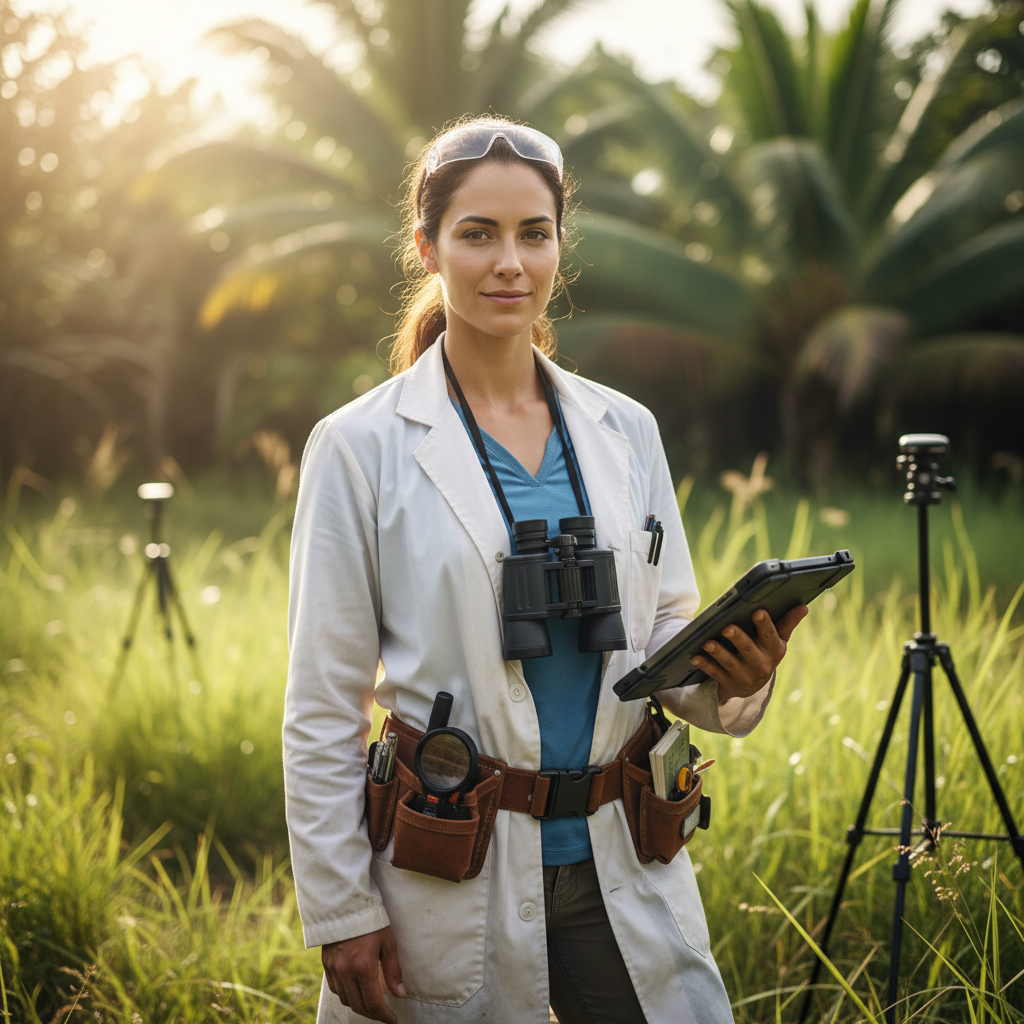
Dr. Valentina Cruz
Hydrology & Remote Sensing
"Led Amazon watershed hydrological surveys for INPE from 2012–2023"

Dr. Riku Tanaka
Atmospheric Chemistry
"Deployed atmospheric sensor networks across 6 Pacific island nations"
What students
actually build.
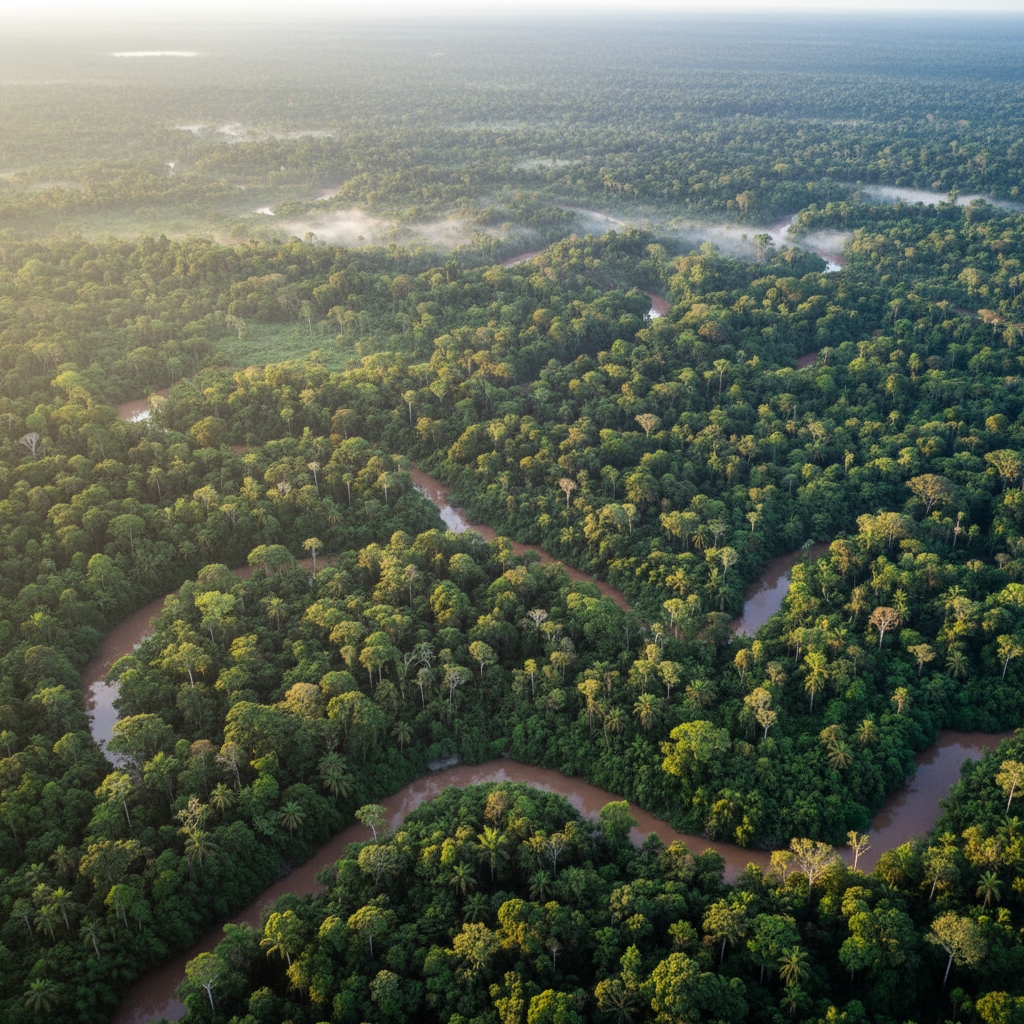
Mapping Microplastic Pathways in the Tietê River Basin
Could not interpret satellite multispectral bands
Published preliminary findings to ResearchGate

Soil Carbon Stock Assessment: Nairobi Urban Forest Fragments
Unfamiliar with loss-on-ignition protocols
Presented at NGO grant review — funding secured
Atmospheric CO₂ Flux Modeling: Eastern Seaboard Wetlands
Career in finance, zero environmental coursework
Passed EIA certification, hired by environmental consultancy
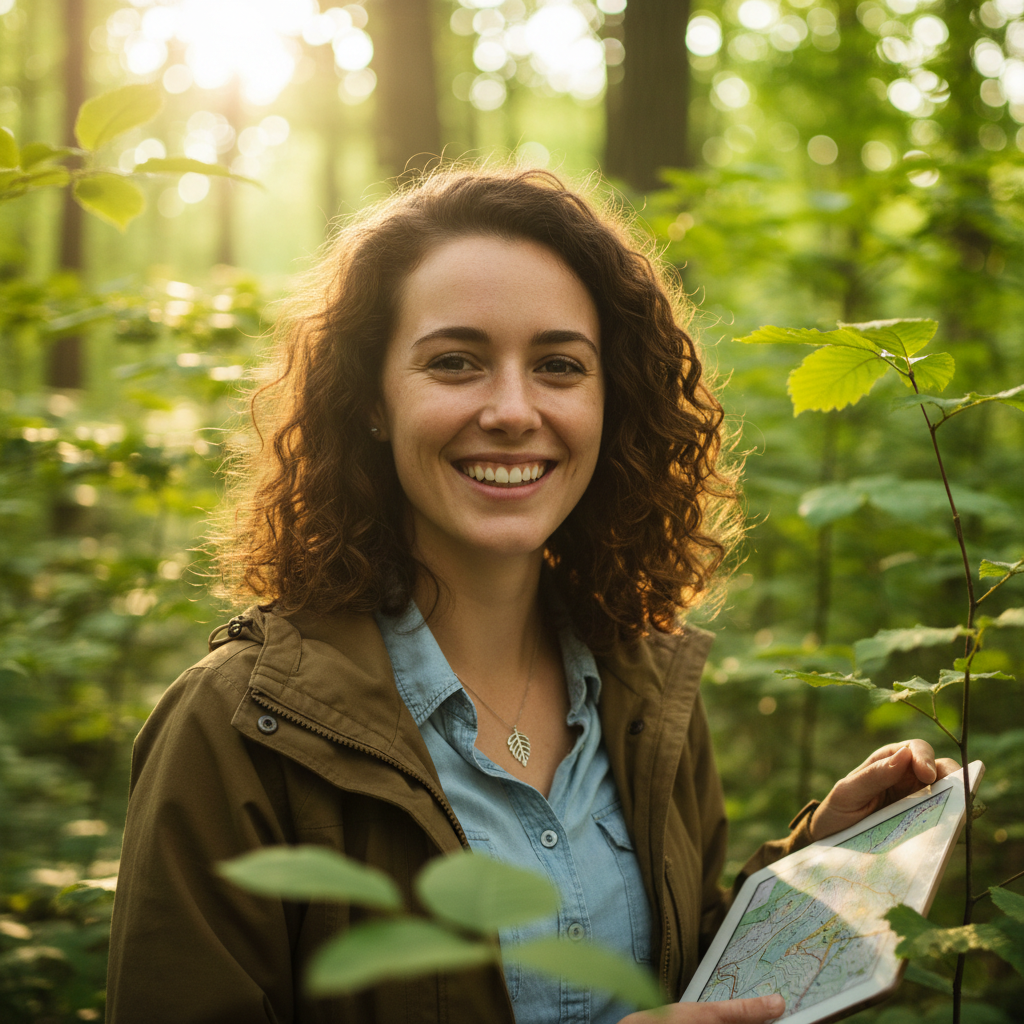
Naledi Dlamini
Environmental Data Analyst
WWF South Africa · Johannesburg
I came into Biome as a communications officer who could barely read a NDVI map. Eight weeks later I was presenting soil carbon data to our board and citing primary literature. The interactive simulations didn't teach me about ecosystems — they made me think like an ecosystem.
Start Your Free
Field Week
7 days of full course access. One downloadable Field Methods PDF. No credit card. Just your email and a track.
- Full access to your chosen learning track
- Interactive satellite imagery tools
- Downloadable Field Methods PDF
- Community of 4,200+ learners
No credit card · Cancel anytime
Join the Next
Expedition Briefing
A free 45-minute live webinar where our instructors walk through a real field dataset. Ask questions. See what learning looks like inside Biome. Next session: March 12, 2026 · 3pm UTC